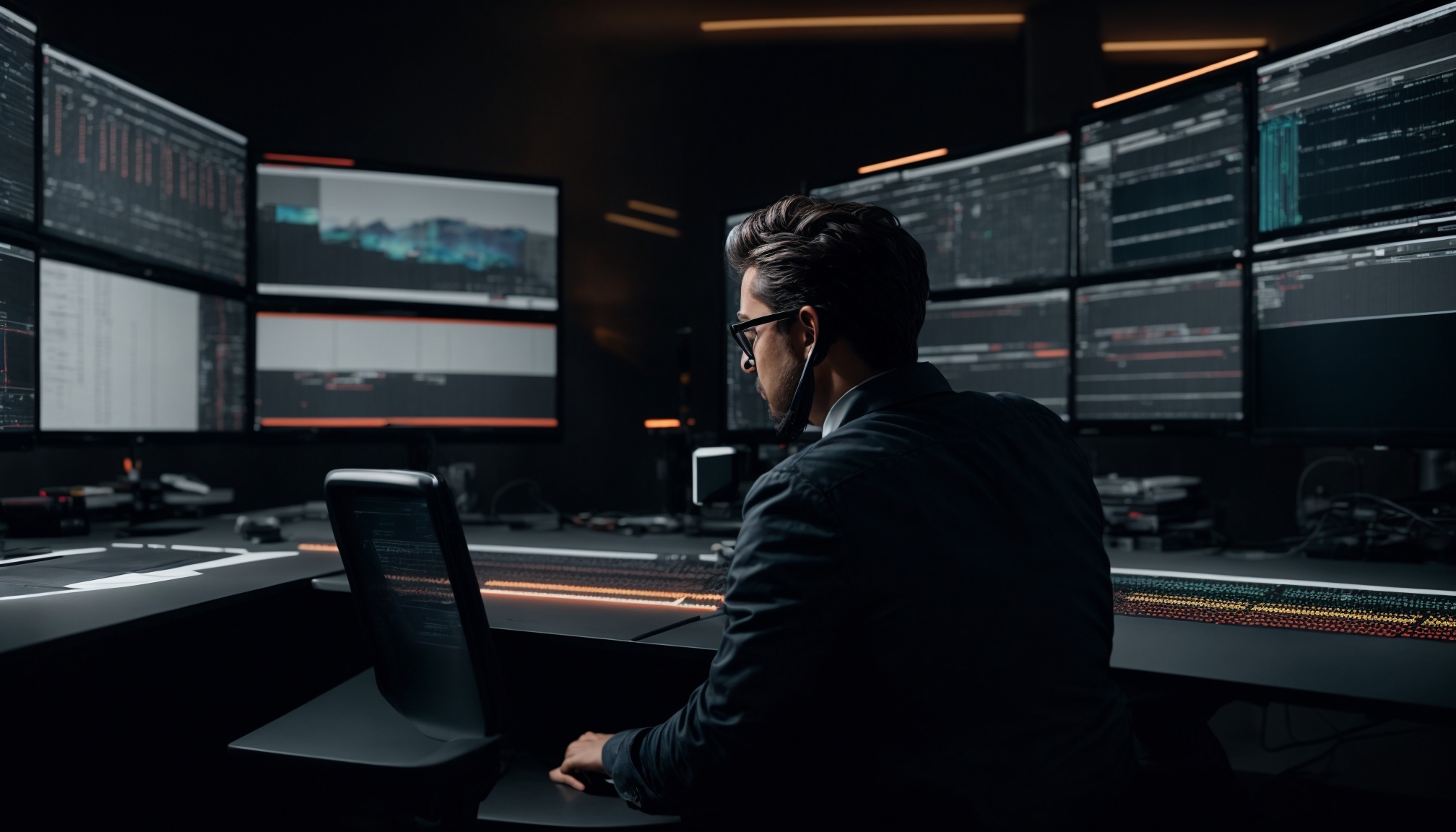
Shahid Online – AI tools in scriptwriting are increasingly shaping film production by enhancing creativity and accelerating editing processes across the industry.
<pModern filmmakers and screenwriters leverage AI tools in scriptwriting to brainstorm ideas, generate dialogue, and refine story arcs. These technologies utilize natural language processing to analyze existing scripts, offering constructive suggestions or alternative plot developments. By doing so, writers can explore narrative possibilities faster than traditional methods.
Alongside scriptwriting, AI tools in scriptwriting influence film editing workflows by automating routine tasks such as footage sorting, color correction, and sound syncing. Editors save time on repetitive chores, focusing instead on creative choices that shape the final product. This shift is transforming post-production dynamics, enabling teams to meet tight deadlines with enhanced precision.
Despite clear benefits, AI tools in scriptwriting face challenges including concerns about originality, potential bias in generated content, and over-reliance on automation. Industry professionals debate how to balance technology with human creativity, emphasizing the need for ethical guidelines to maintain artistic integrity throughout film production.
The continuing integration of AI tools in scriptwriting hints at a future where technology supports rather than replaces human creativity. As AI capabilities evolve, filmmakers and editors anticipate more sophisticated applications that streamline workflows without compromising storytelling quality. This synergy marks a new chapter in cinematic innovation driven by intelligent assistance.